Compare Local Contractors for Poured Concrete Installation Success
Compare local contractors for poured concrete installation to define project scope, verify experience, and set clear expectations in writing for a successful outcome.
Poured concrete installation is a versatile service that typically covers a range of projects including driveways, sidewalks, patios, foundations, and slabs for various structures. These projects involve pouring liquid concrete into prepared forms or molds, which then harden to create durable, solid surfaces. Proper preparation of the site, including excavation and form setting, is essential to ensure the finished work meets the desired specifications. Understanding the scope of poured concrete work helps property owners communicate their needs clearly and ensures that the service providers can deliver results that align with project requirements.
Defining the scope of a poured concrete project is a crucial step in the planning process. It involves specifying details such as the size, shape, thickness, finish type, and any additional features like reinforcement or drainage considerations. Clear scope definitions help prevent misunderstandings and enable property owners to compare different local contractors effectively. When reviewing proposals or bids, it’s important to verify that each service provider understands and includes the same scope of work, which facilitates fair comparisons and helps set realistic expectations for the project’s outcome.
Property owners can compare local contractors by examining their experience with similar poured concrete projects and checking references or past work samples. It’s beneficial to ask how each contractor plans to approach the project, including their methods for site preparation, pouring, and finishing. Additionally, reviewing written proposals or scope documents can reveal how well each service provider understands the project’s requirements and whether they have included all necessary details. By focusing on the contractor’s experience, communication clarity, and thoroughness in scope definition, property owners can make informed decisions when selecting a local concrete installation professional.
Compare local contractors by outlining project priorities, verifying experience, and setting clear expectations in writing.
- Compare Contractor Experience - Review the backgrounds of local contractors to ensure relevant experience with poured concrete installation.
- Define Project Scope Clearly - Outline specific requirements and expectations to facilitate accurate proposals and avoid misunderstandings.
- Verify Credentials and References - Check references and prior work to assess the quality and reliability of potential service providers.
- Document Agreements in Writing - Ensure all project details, responsibilities, and expectations are confirmed in a written contract.

Clearly describe your poured concrete project to effectively compare local contractors, verify experience, and set expectations in writing.
- Verify experience and references of local contractors with poured concrete installation. Ensure scope of work and project expectations are clearly defined and documented in writing.
- Compare multiple service providers to assess their expertise and approach to poured concrete projects. Confirm that contractors follow proper site preparation and concrete placement procedures.
- Check that contractors specify the materials and finishing techniques to be used for the poured concrete. Clarify the process for addressing potential issues or changes during the project.
- Ensure the scope of work includes details on curing, sealing, and finishing to meet project requirements. Review the warranty or guarantee policies offered by local contractors for poured concrete work.
- Discuss the project timeline expectations and ensure they are documented to prevent misunderstandings.
Compare local contractors' experience, clarify scope, and document expectations to ensure a smooth poured concrete installation.

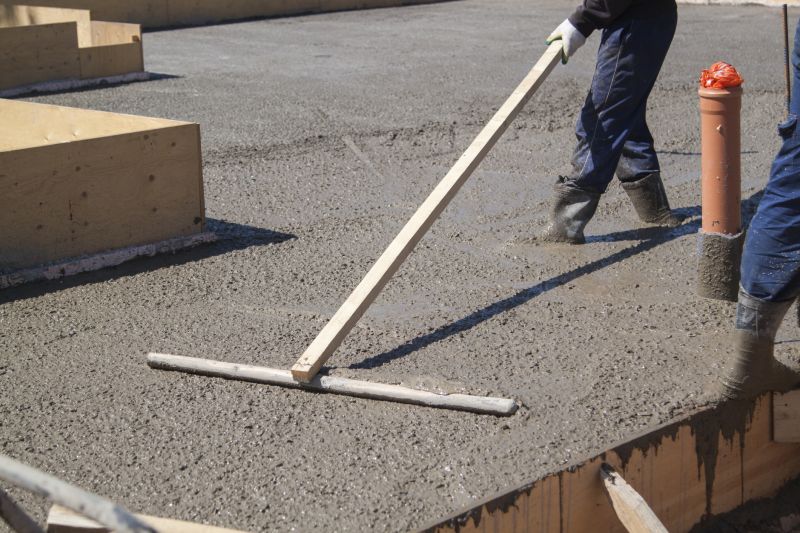

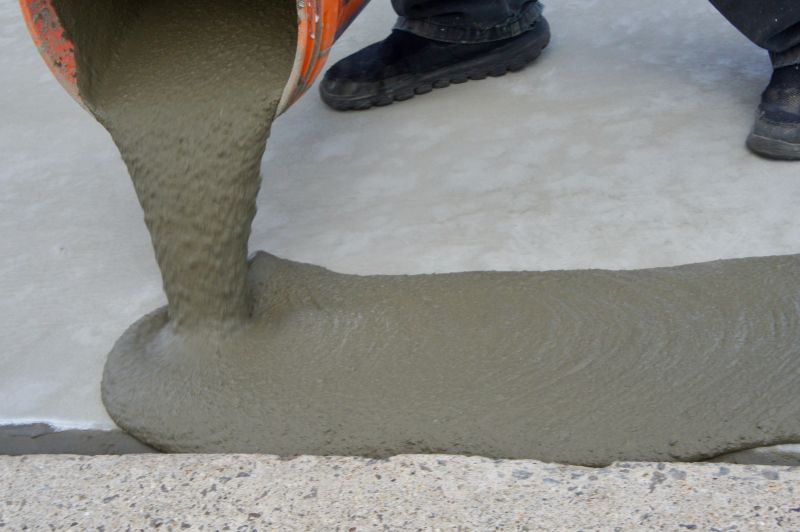
Learn how to compare and define project scope with local contractors to ensure consistent expectations across providers.
- Scope Definition - Clearly outline the specific areas and dimensions for poured concrete installation to ensure mutual understanding.
- Material Specifications - Specify the type and grade of concrete and any additives or reinforcements required for the project.
- Preparation Requirements - Identify necessary site preparation steps, including formwork, subgrade conditions, and moisture barriers.
- Quality Standards - Establish expectations for finishing, curing, and surface smoothness to meet project requirements.
- Documentation and Agreement - Ensure all scope details, responsibilities, and expectations are documented in a written agreement with local contractors.
When comparing contractors for poured concrete installation, it is important to assess their experience with similar projects. Homeowners should inquire about the types of concrete work the service providers have completed, such as driveways, patios, or foundations, and ask for details about projects comparable in size and scope. Understanding a contractor’s background with specific installation types can help gauge their familiarity with the unique challenges and best practices associated with each. This focus on relevant experience can provide insight into their ability to handle the project's requirements effectively.
A clear, written scope of work is essential for setting expectations and ensuring both parties are aligned. Homeowners should seek detailed descriptions of the work to be performed, including materials, dimensions, finishes, and any specific requirements. Having this information documented helps prevent misunderstandings and provides a reference point throughout the project. Contractors who can articulate a comprehensive scope demonstrate professionalism and transparency, making it easier to compare their offerings objectively.
Verifying the basics of a contractor’s background involves checking references, reviewing past project examples, and confirming their familiarity with local building codes and standards. Homeowners should ask for references from previous clients and inquire about the quality of work, adherence to timelines, and overall satisfaction. Additionally, understanding a contractor’s familiarity with local site conditions and regulations can help determine their capability to manage the project efficiently. This verification process helps ensure that the service providers considered have a proven track record of reliable and competent work.
When evaluating options, it is helpful to compare the scope of work, experience, and communication clarity among different service providers. Homeowners should look for contractors who provide comprehensive, written proposals that outline the project details clearly. Asking questions about their approach to site preparation, curing, and finishing can reveal their expertise and attention to detail. By focusing on these aspects, homeowners can make informed decisions about which contractors are best suited to meet their project needs, fostering a smoother and more predictable installation process.
Ask contractors to provide written scope details to ensure clear expectations and consistent project understanding.
- Experience and Expertise - What specific experience do local contractors have with poured concrete installation projects similar to yours?
- Scope of Work - How do contractors define and clarify the scope of the poured concrete work to ensure all expectations are documented?
- Materials and Techniques - What materials and installation methods do local service providers recommend for your specific project needs?
- Project Management and Communication - How do contractors handle communication and project updates to keep clients informed throughout the process?
- Warranties and Guarantees - What warranties or guarantees do local contractors offer to cover workmanship or material issues after installation?
How can I compare contractors for poured concrete installation? To compare service providers, review their experience, verify references, and ensure they understand your project scope to find the best fit for your needs.
What should I include when defining the scope of my poured concrete project? Clearly outline the size, location, finish type, and any specific requirements to help contractors provide accurate proposals and set clear expectations.
How do I verify a contractor’s experience with poured concrete work? Ask for examples of previous projects, request references, and confirm their familiarity with the specific type of poured concrete work needed for your project.
Why is it important to get written agreements with contractors? Written agreements help clarify the scope, responsibilities, and expectations, reducing misunderstandings and providing a reference point throughout the project.
What questions should I ask potential contractors about their poured concrete installation process? Inquire about their approach to site preparation, curing methods, and finishing techniques to ensure their process aligns with your project goals.
How can I ensure a poured concrete project meets my expectations? Clearly communicate your requirements, review detailed proposals, and confirm that all scope details are documented before work begins.
By exploring options for poured concrete installation, visitors can gain a clear understanding of how to define project scope, verify the experience of local contractors, and set clear expectations in writing. Comparing trusted service providers enables more informed decisions and helps ensure the selected contractor aligns with the specific needs of the job.
Using the quote form provides a straightforward way to connect with experienced local contractors who can handle poured concrete projects. This process makes it easier to evaluate your options and find the right service provider for your project requirements.